BYD T4 vs. T5: Which Commercial Truck Is Right for Your Business?
- Share
- Issue Time
- Oct 16,2026
Summary
Looking for the right commercial truck for your business? Compare the BYD T4 and T5, explore their key features and applications, and find the right solution for your commercial vehicle sourcing needs.
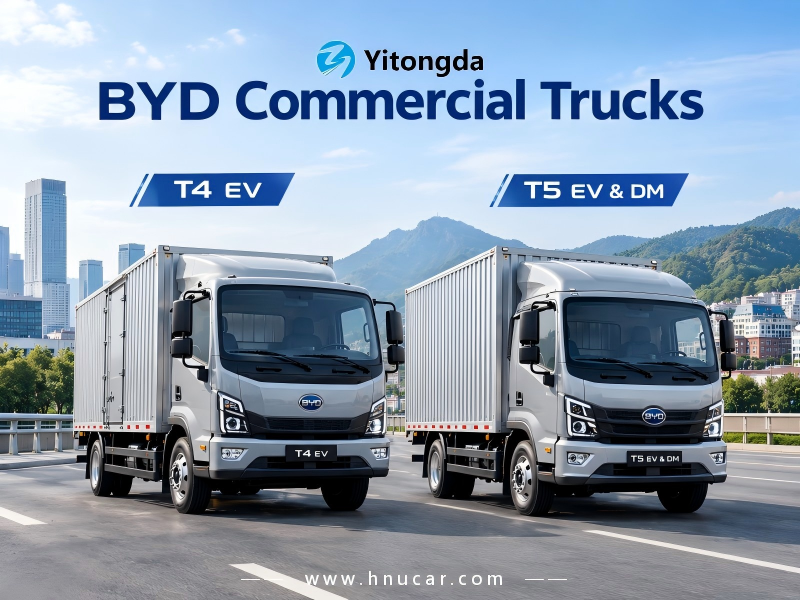
Choosing the right commercial truck is important for overseas dealers, importers, and fleet operators. Payload requirements, daily driving distance, energy costs, and local operating conditions all influence purchasing decisions.
The BYD T4 is an all-electric commercial truck, while the BYD T5 is available in both EV and DM versions. These options allow buyers to compare fully electric transportation with a dual-mode alternative. This guide introduces the key features and potential applications of the BYD T4 and T5 to help businesses evaluate suitable commercial vehicle options from China.
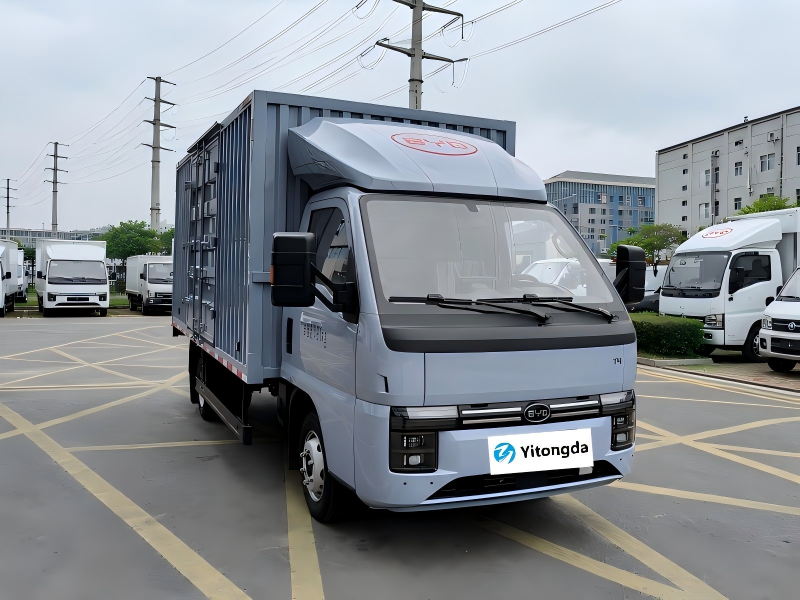
The BYD T4 is a fully electric commercial truck for businesses seeking an alternative to conventional fuel-powered transportation. Its available battery configurations and different vehicle weight classes give commercial buyers options to consider according to their cargo requirements and daily operating needs.
1. Meet the BYD T4 Pure Electric Commercial Truck
The BYD T4 is a fully electric commercial truck for businesses seeking an alternative to conventional fuel-powered transportation.
Its available battery configurations and different vehicle weight classes give commercial buyers options to consider according to their cargo requirements and daily operating needs.
Key Features and Specifications
· Fully Electric Powertrain: The BYD T4 operates entirely on electricity and does not use a conventional gasoline or diesel engine.
· Vehicle Weight Options: Configurations include gross vehicle weight (GVW) ratings of 3,495 kg and 4,495 kg, depending on the model.
· Potential Energy Cost Savings: Electric operation may reduce energy expenses compared with conventional fuel-powered vehicles, depending on local electricity prices, fuel prices, mileage, and charging arrangements.
· Zero Tailpipe Emissions: The T4 produces no tailpipe emissions during driving, which can help businesses reduce local exhaust emissions.
When selecting a BYD T4, buyers should compare battery capacity, rated payload, cargo body configuration, and driving range for the exact version. Battery capacity and gross vehicle weight alone do not determine a truck's payload or real-world driving range.
Suitable Applications
Depending on its configuration and operating conditions, the BYD T4 may be suitable for:
· Urban goods delivery and distribution
· Transportation between warehouses and retail locations
· Short-distance commercial transportation
· Business fleets with access to suitable charging facilities
For businesses operating predictable routes, an all-electric truck may offer opportunities to manage energy expenses and reduce local tailpipe emissions. Actual savings depend on vehicle usage, charging arrangements, and local energy prices.
More details of the BYD T4: Visit our [BYD T4 product page] to review the available model and specifications.
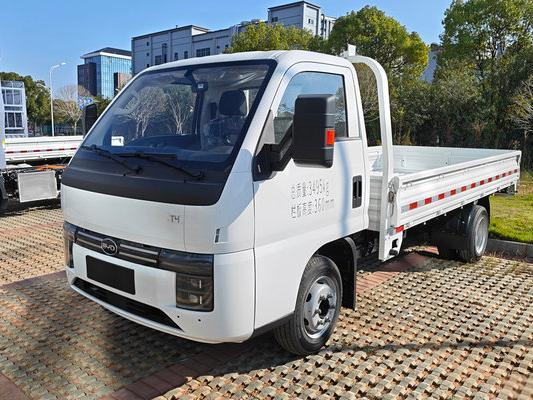
2. Meet the BYD T5 Commercial Truck
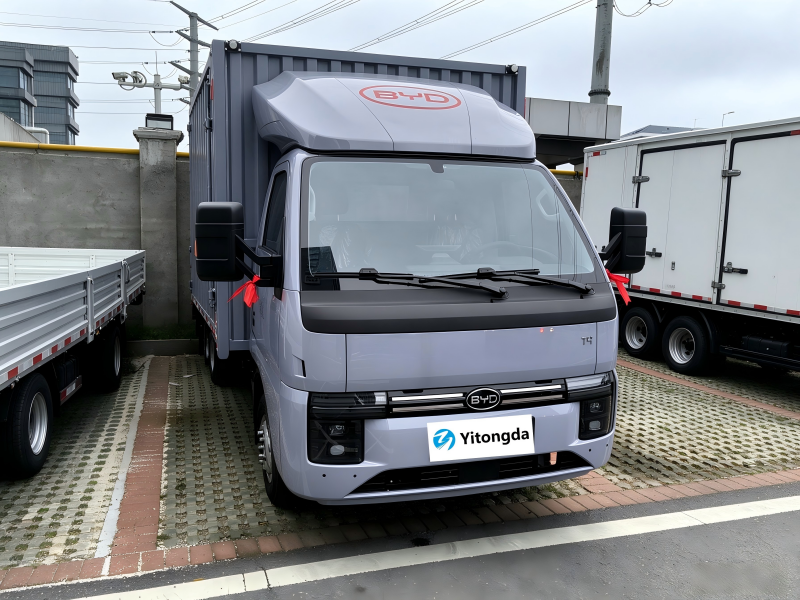
The BYD T5 offers commercial buyers two powertrain options: EV and DM. These versions serve different operating requirements, so buyers should evaluate them separately according to their routes, energy availability, and business needs.
The specified BYD T5 configuration has a gross vehicle weight (GVW) of 4,495 kg. Buyers should confirm the exact specifications of the selected version before making a purchasing decision.
Key Features and Specifications
· 4,495 kg GVW: The specified T5 configuration has a gross vehicle weight of 4,495 kg. GVW refers to the maximum permitted total vehicle weight, not the payload capacity.
· T5 EV Version: The fully electric version may suit operations where charging infrastructure and daily routes support electric vehicle use. It produces no tailpipe emissions during driving.
· T5 DM Version: The DM version provides a dual-mode alternative for buyers whose operating requirements differ from those of a fully electric vehicle. The exact powertrain specifications should be confirmed for the selected model.
· Commercial Applications: Buyers can assess the available versions according to cargo requirements, driving distance, energy availability, and operating conditions.
· The EV and DM versions should not be treated as having identical specifications or operating characteristics. Battery capacity, driving range, fuel consumption, and other parameters depend on the exact version.
Suitable Applications
Depending on the selected version and vehicle configuration, the BYD T5 may be considered for:
· Urban and regional goods distribution
· Warehouse and business-to-business deliveries
· Commercial fleet transportation
· Businesses comparing fully electric and dual-mode commercial vehicles
The T5 EV may suit operations with appropriate charging access, while the T5 DM provides an alternative for buyers considering a dual-mode powertrain. The right choice depends on actual operating conditions rather than the model name alone.
More details of BYD T5: Visit our [BYD T5 product page] to review the available EV and DM versions.
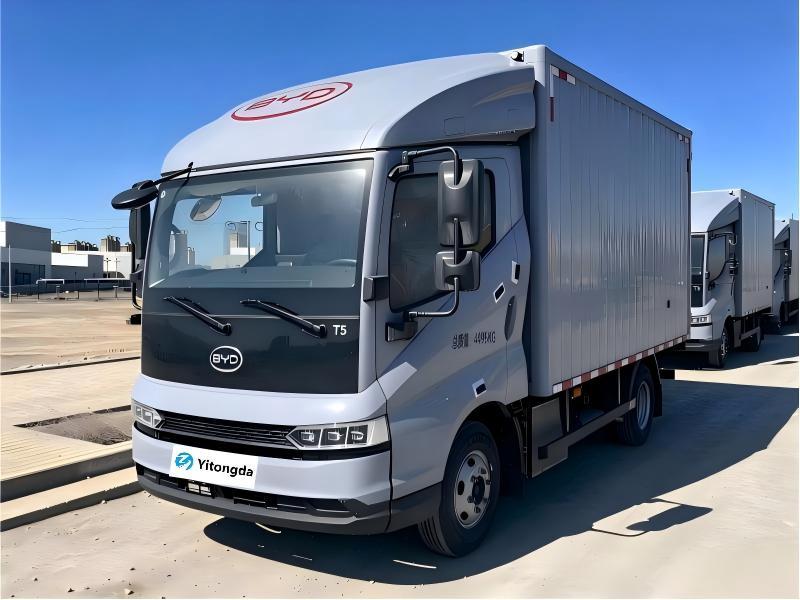
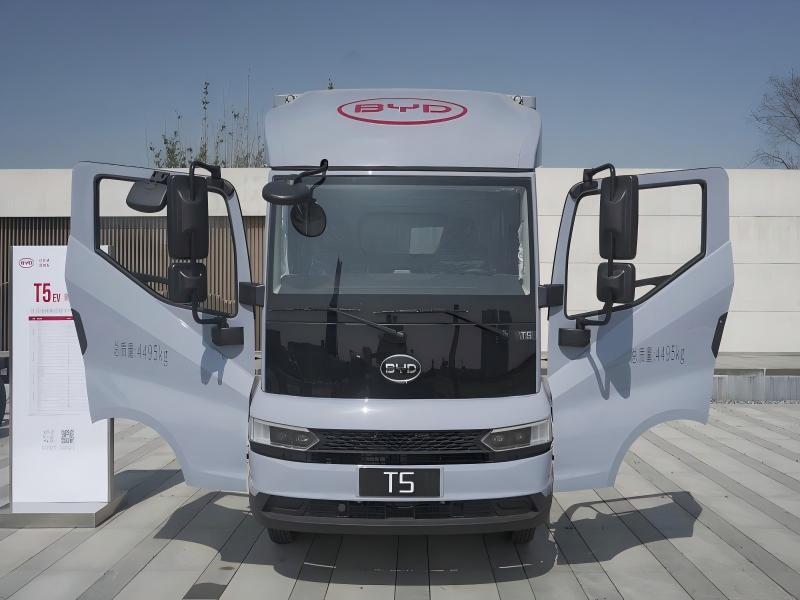
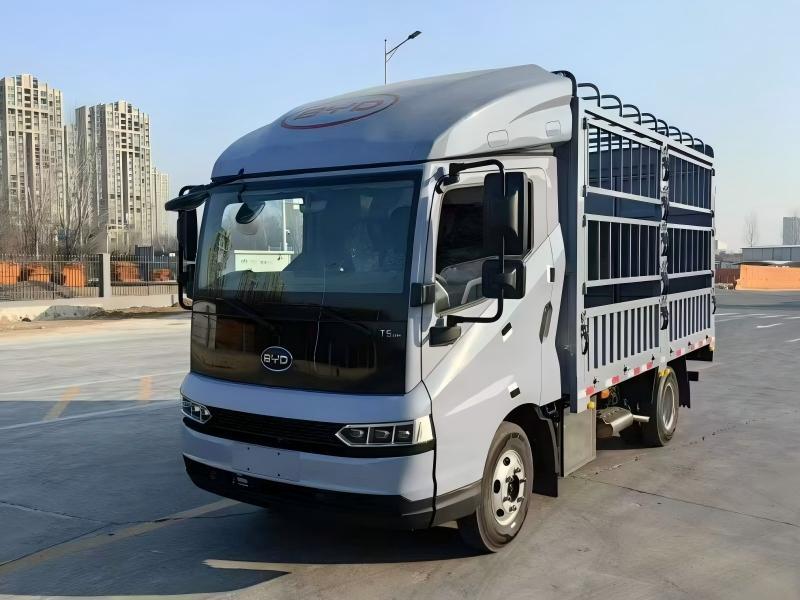
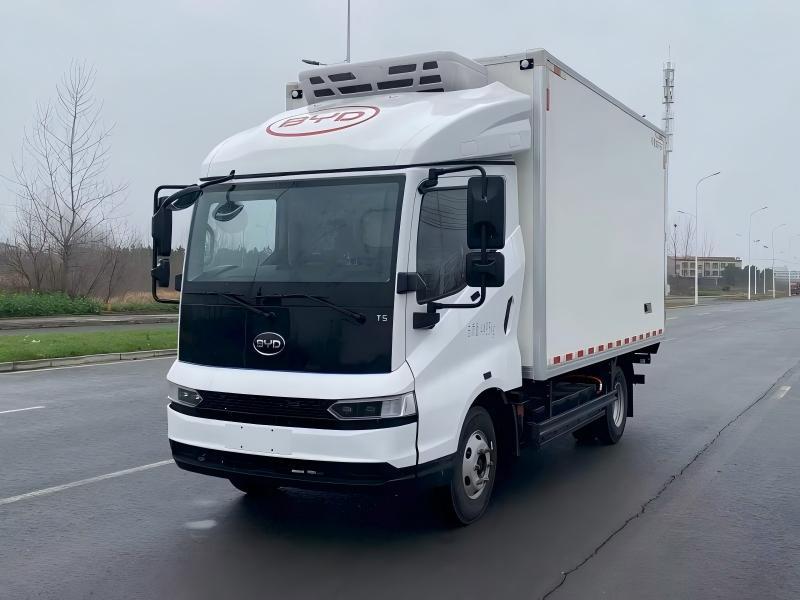
3. BYD T4 vs. T5: Key Differences
The main distinction is that the BYD T4 is fully electric, whereas the BYD T5 is available in EV and DM versions.
Buyers should compare the exact configurations against their transportation requirements before making a purchasing decision.
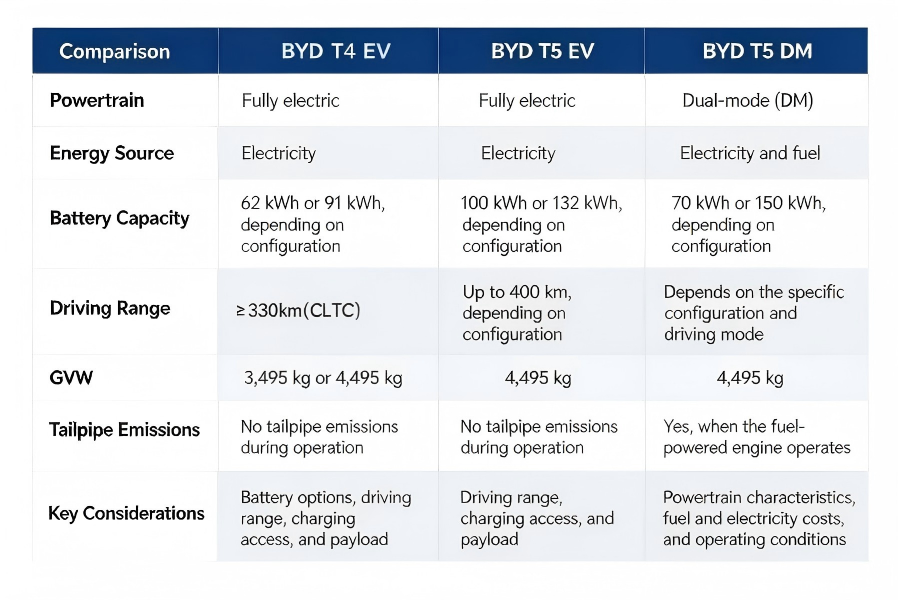
Note: Specifications may vary by model and configuration. Confirm the exact vehicle specifications before purchasing.
4. BYD T4 vs. T5: Shared Customization Options
Both the BYD T4 and T5 can be evaluated for different cargo body configurations, depending on the selected model and available specifications. Choosing the right setup helps overseas buyers match their trucks to specific transportation needs.
Cargo Body Options for Different Applications
Depending on the vehicle configuration and availability, common light truck cargo body options may include:
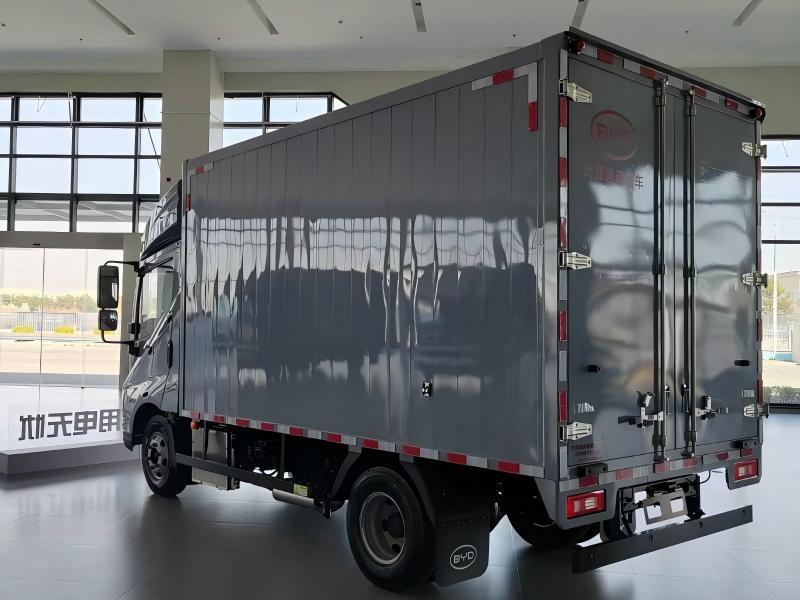
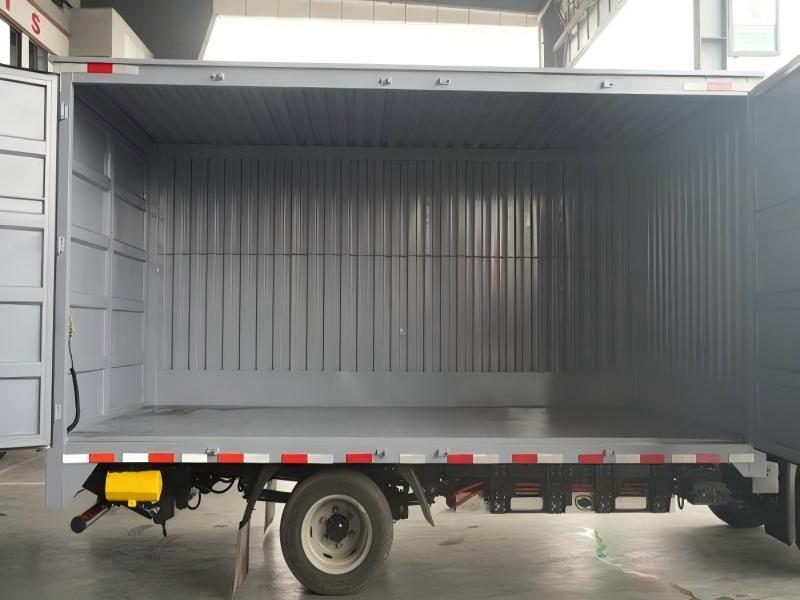
· Box Body
Suitable for packaged goods, warehouse deliveries, and general distribution.

· Dropside Body
Practical for transporting building materials and goods that require convenient side loading.
· Flatbed Body
Suitable for certain oversized cargo and goods requiring flexible loading arrangements.
· Cargo Cage
An option for transporting goods that benefit from an open-sided body structure with cage-style side rails.
Other requirements, such as cargo body dimensions, door design, and company branding, can also be discussed based on the intended application. The availability of each option must be confirmed for the specific model.