Why Chinese New Energy Vehicles Are Dominating Global Used Car Exports
- Share
- publisher
- Yitongda Auto Export Team
- Issue Time
- Aug 6,2026
Summary
Why Chinese new energy vehicles lead global used car exports in 2026: EV manufacturing scale, value for money, model diversity, battery verification, and market opportunities for importers.
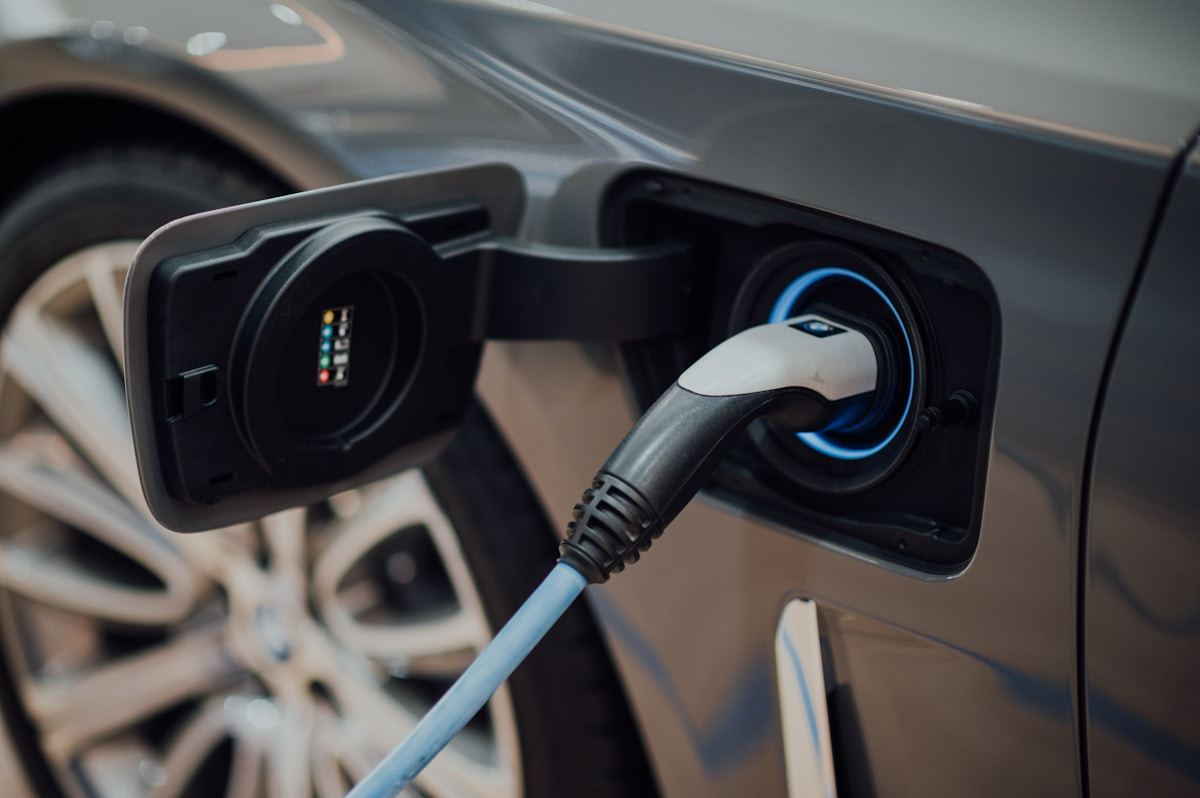
Why Chinese New Energy Vehicles Are Dominating Global Used Car Exports
Chinese new energy vehicles (NEVs) now lead the global used car export market because China produces more electric vehicles than any other country, sells them at globally competitive prices, and has built a complete export ecosystem from licensed suppliers to EV-specific logistics. In 2026, used Chinese EVs such as BYD, Changan, Geely, Zeekr, and Hongqi models are being imported across Central Asia, the Middle East, Southeast Asia, and Africa in growing volumes, driven by strong value for money, verified battery technology, and rising fuel prices. This article explains the market forces behind the trend, which models are most in demand, and what importers should know before buying used Chinese EVs.
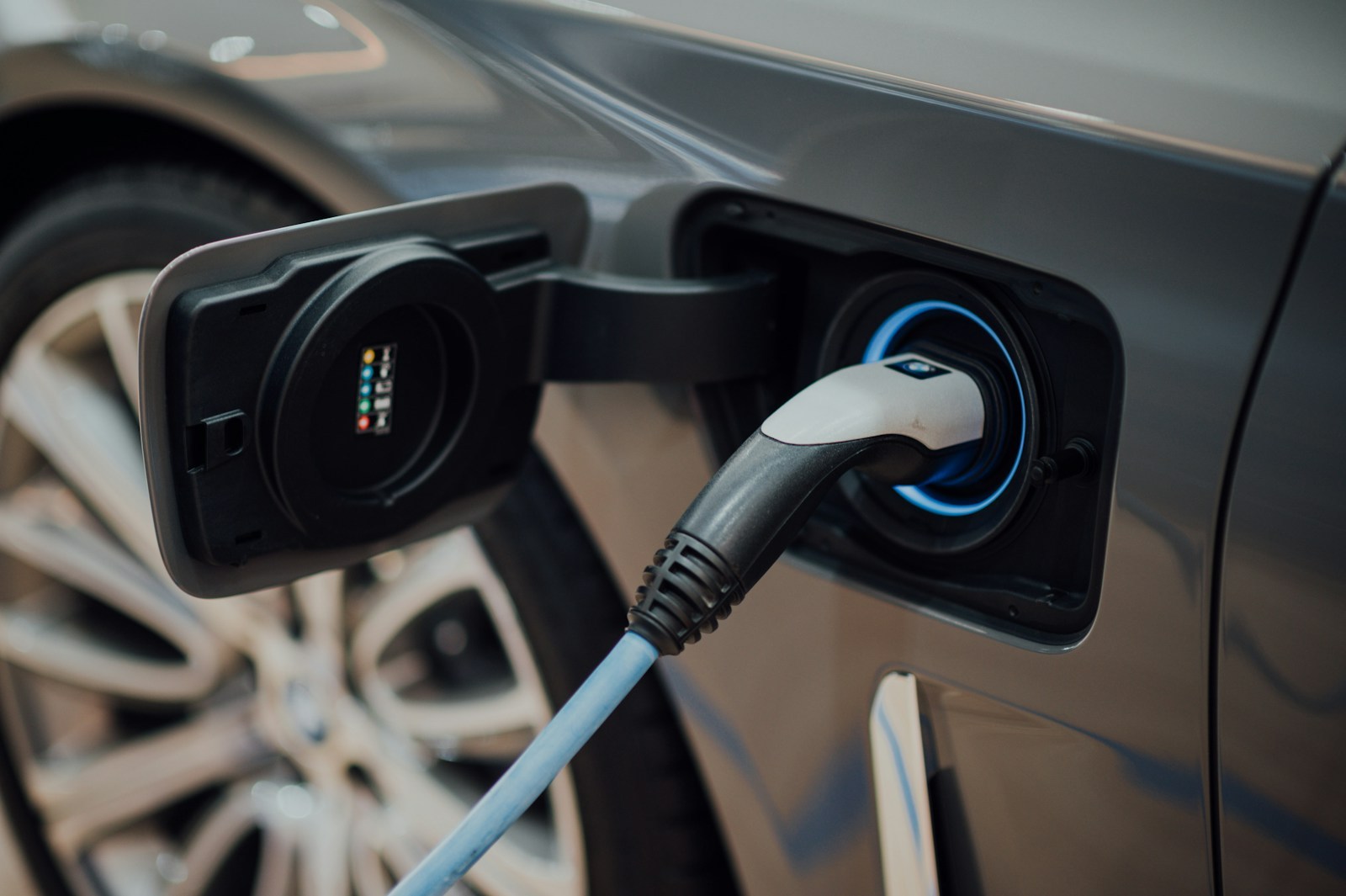
The Scale of China's New Energy Vehicle Export Boom
China became the world's largest vehicle exporter in 2023 and has continued to expand its lead. New energy vehicles are the fastest-growing segment of that export mix, supported by the world's largest EV manufacturing base and a mature battery supply chain. By 2026, Chinese NEV exports include not only new cars but a rapidly growing volume of used and nearly-new electric vehicles, because the domestic market turns over large numbers of EVs every year.
For importers, the practical implication is simple: the supply of used Chinese EVs is deeper, newer, and more varied than from almost any other origin. Model years 2021 to 2025 dominate the export pool, with sedans, SUVs, and commercial vehicles all available.
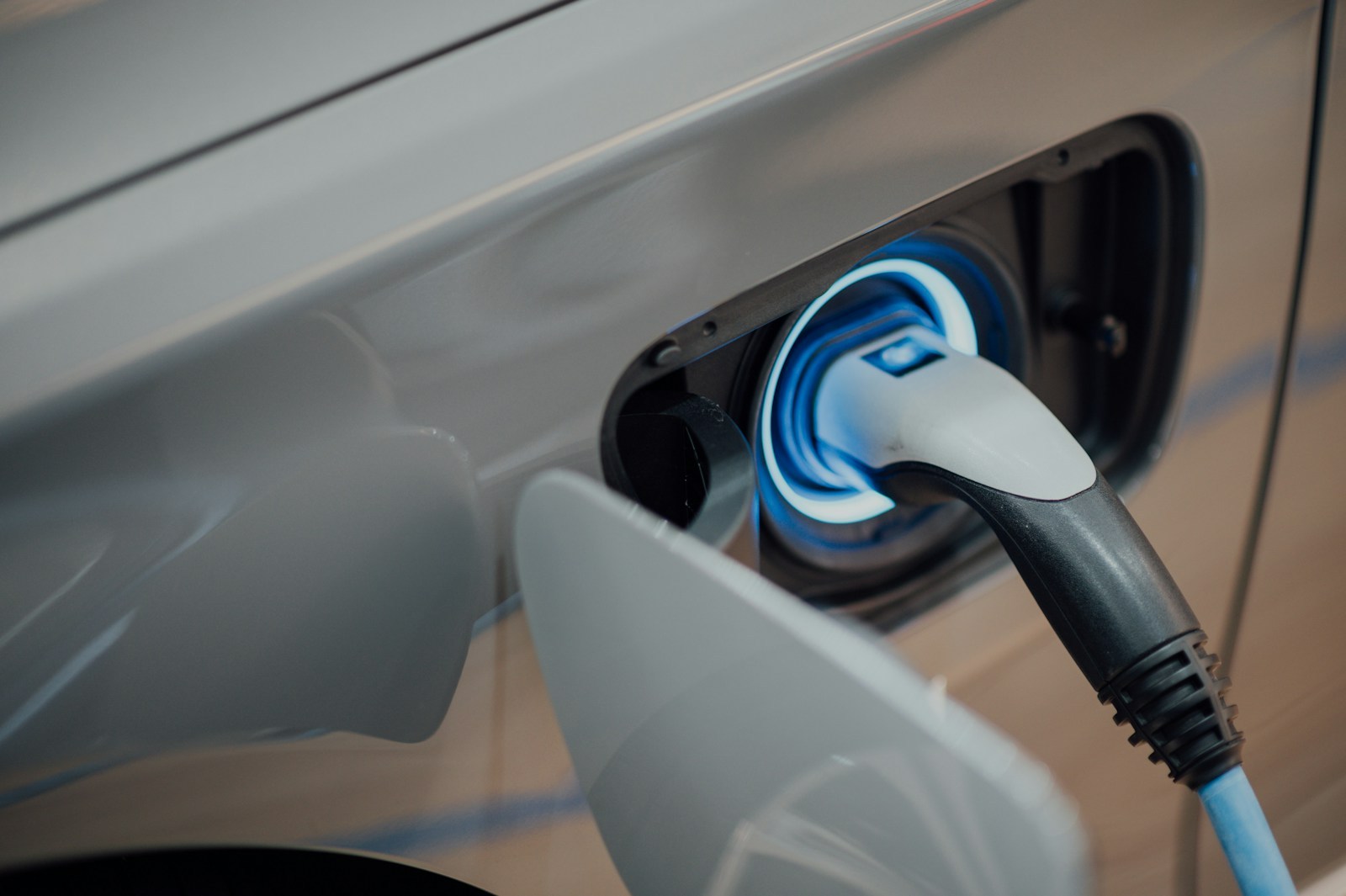
Why Buyers Prefer Used Chinese EVs
Used Chinese EVs win on three criteria that matter to importers and dealers: price, range, and supply stability. A used BYD, Changan, or Geely EV often costs significantly less than an equivalent used vehicle from European or Japanese brands, while offering comparable range and modern digital features. For markets with high fuel prices or government incentives for electric mobility, these vehicles deliver strong resale margins.
Another advantage is model diversity. Buyers can source compact city EVs for dense urban markets, mid-size SUVs for family and taxi use, and electric commercial vehicles for fleet operators. This flexibility lets importers tailor inventory to local demand rather than being limited to a few generic models.
Which Chinese EV Models Are Most in Demand for Export
Demand patterns vary by market, but several model families consistently appear in export orders. BYD models such as the Han, Song, and Seal are among the most requested, followed by Changan's electric line-up, Geely's EV and hybrid models, Zeekr's premium electric vehicles, and Hongqi's luxury electric sedans. Newer brands such as XPeng, VOYAH, and Li Auto also attract interest, especially for markets that value design and technology.
For fleet and commercial buyers, used Chinese electric buses, vans, and light trucks are a growing category, supported by the same battery and manufacturing advantages. When choosing a model, importers should verify battery health, charging standards compatibility, and local demand for specific body types.
Market Snapshot: Where Used Chinese EVs Are Selling
Central Asia, the Middle East, and Southeast Asia are the fastest-growing destinations for used Chinese EVs. Markets with strong EV incentives or high fuel costs tend to absorb battery-electric models quickly, while markets with limited charging infrastructure often prefer hybrid or range-extended vehicles. Importers who match the powertrain to local infrastructure consistently achieve faster inventory turnover.
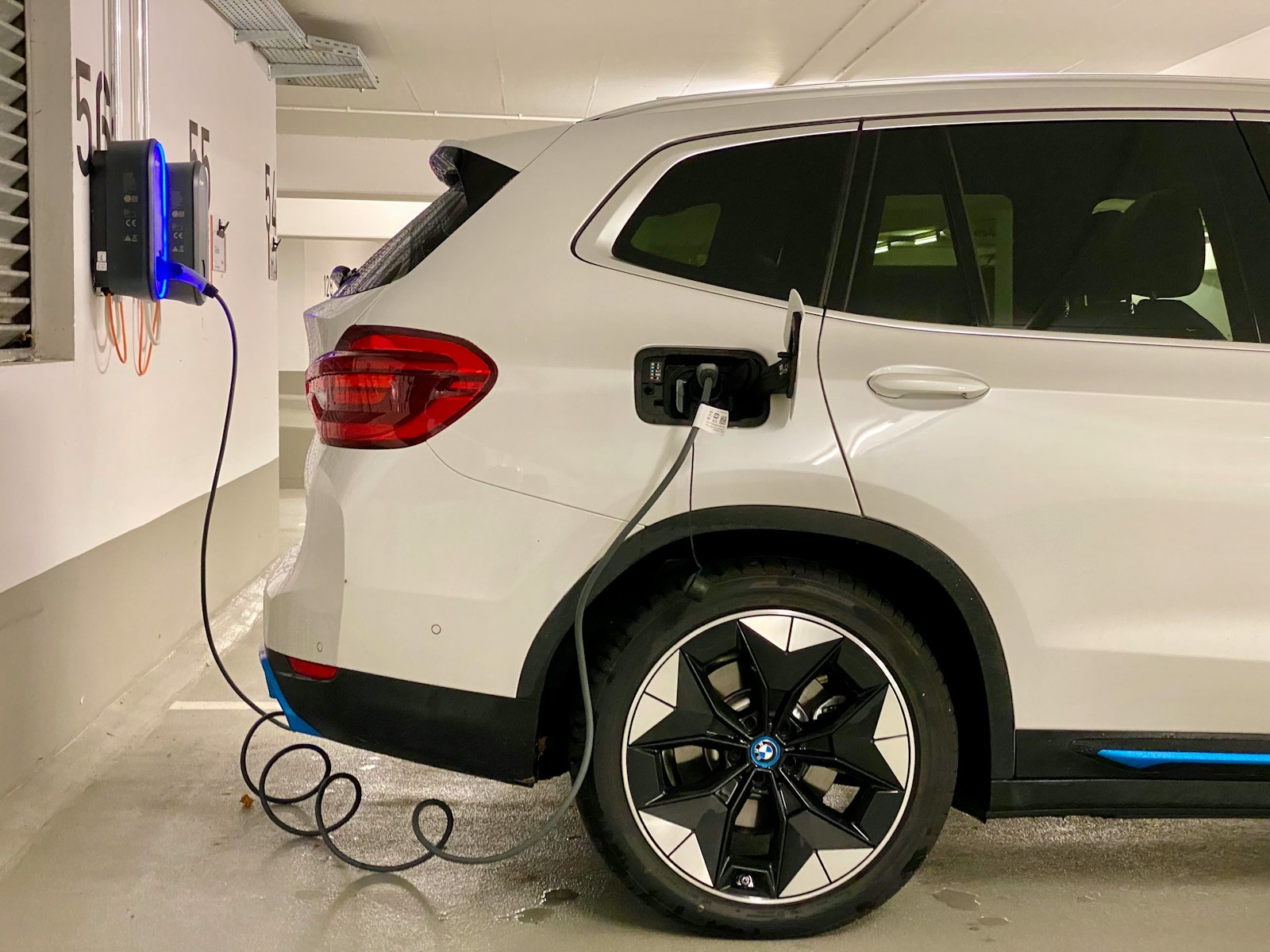
What Importers Should Check Before Buying Used Chinese EVs
Buying a used EV is different from buying a used fuel car, and the inspection focus should shift to the battery. Always request a battery health report that states the State of Health (SoH), remaining range, and charging performance. A healthy battery is the difference between a profitable resale and a costly problem.
Also verify: the vehicle's year of manufacture and mileage, the availability of the original charging equipment, compatibility with your country's charging standard (GB/T is standard in China), and the export documentation package including title and inspection certificates. Work with a supplier that can provide these documents and answer technical questions about the EV you intend to buy.
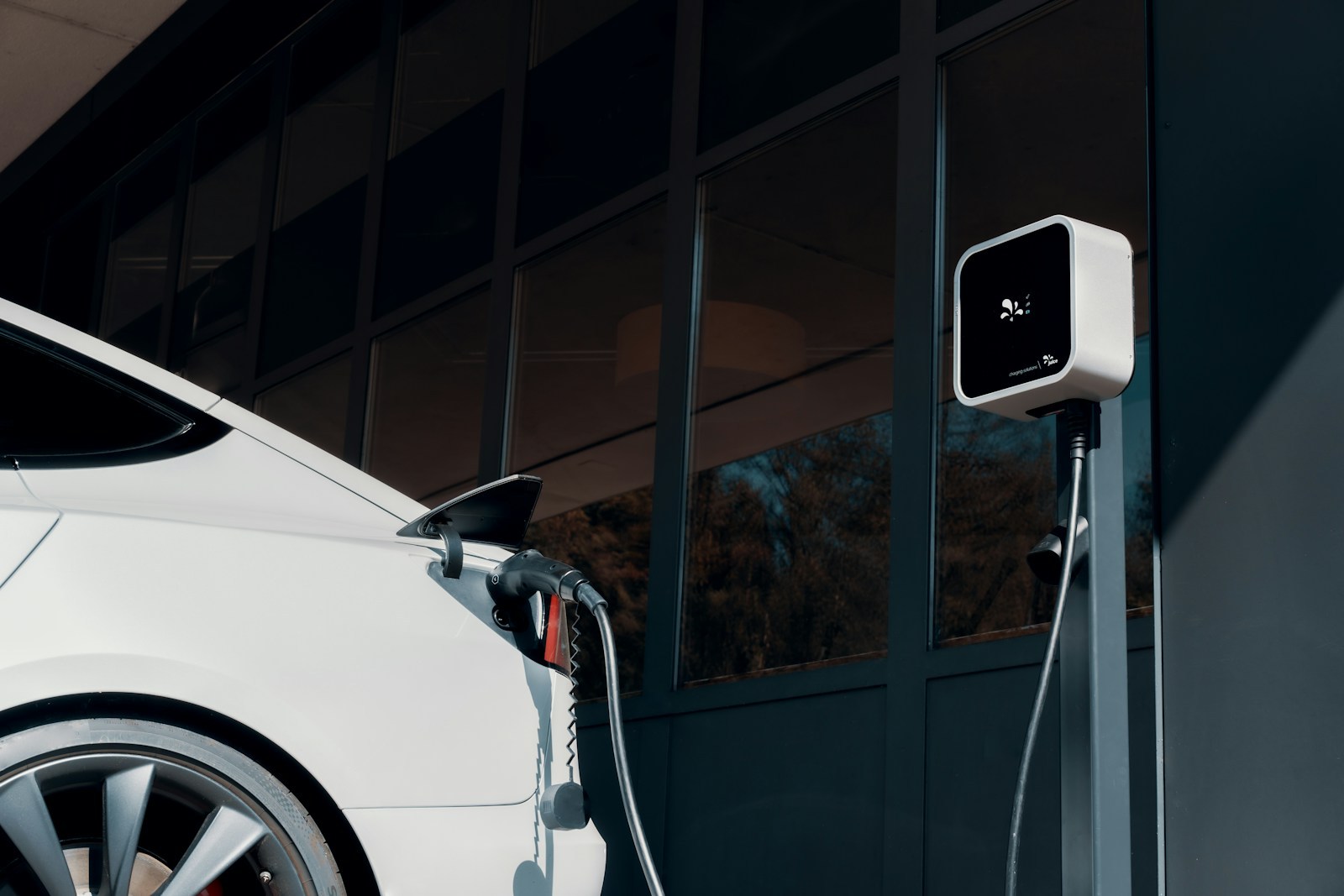
Shipping and Charging Infrastructure Considerations
Used EVs require slightly different logistics than fuel cars. Battery shipments follow stricter safety rules, so most EVs travel by RoRo vessel or as container cargo with correct hazardous-goods declarations. Transit times are similar to fuel vehicles, typically 15 to 30 days for most international routes, but customs authorities in some destinations require additional battery-related documentation.
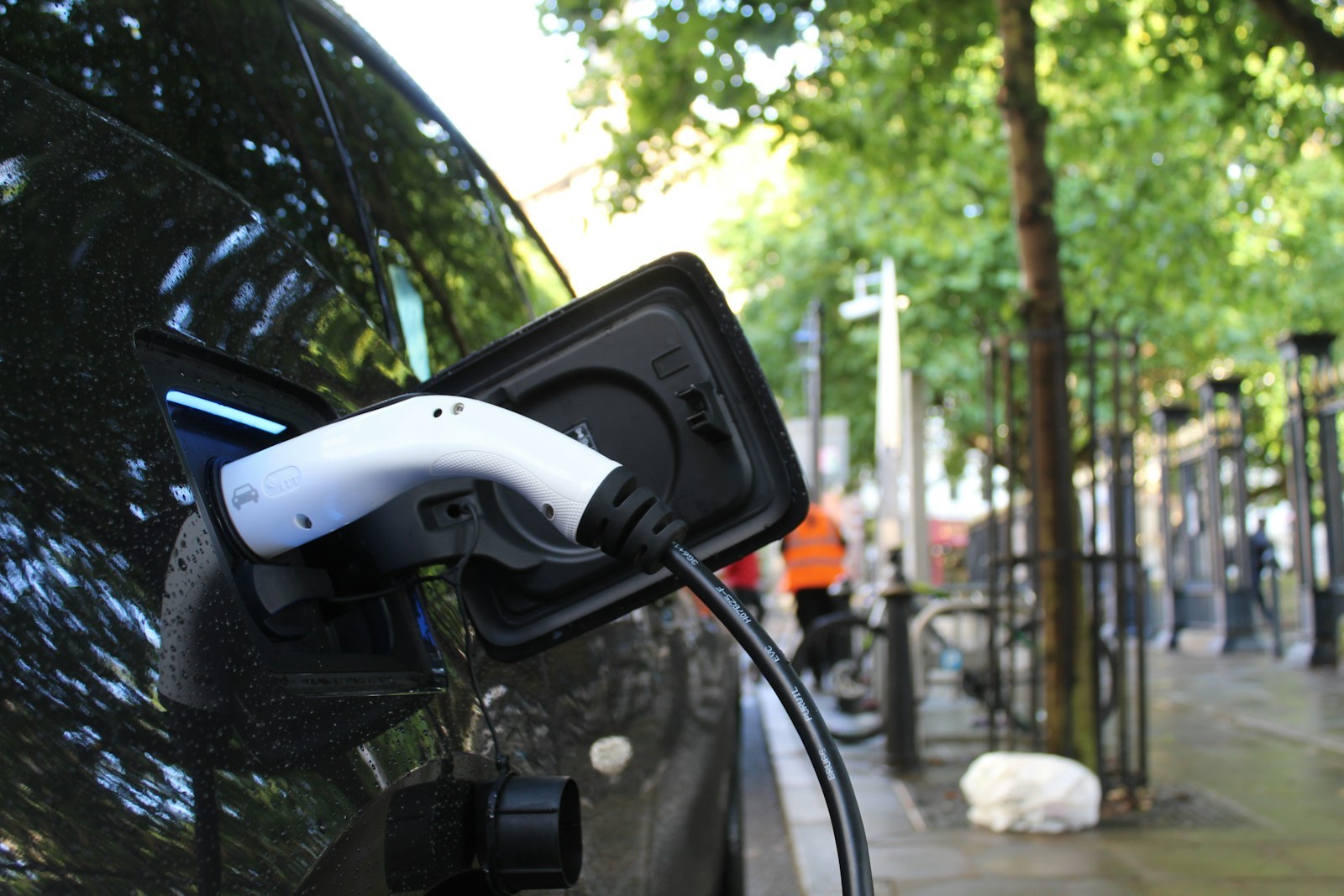
At destination, charging infrastructure determines how quickly you can sell. In markets where public charging is expanding, battery-electric models move fast. Where infrastructure is still developing, hybrid or range-extended EVs are often the safer inventory choice. A good supplier will help you match the powertrain to your market's reality.
Frequently Asked Questions
Why are Chinese EVs dominating used car exports?
China is the world's largest EV producer, with a deep battery supply chain and large domestic turnover, which creates abundant, affordable used EVs with strong value for money and verified battery technology.
Which used Chinese EVs are best for export?
BYD Han, Song, and Seal, Changan's electric models, Geely EVs and hybrids, Zeekr, and Hongqi are among the most requested. The best choice depends on your market's charging infrastructure and demand for specific body types.
How do I check the battery health of a used Chinese EV?
Request a battery health report stating State of Health (SoH), remaining range, and charging performance from your supplier, or arrange an independent inspection before purchase.
Do used Chinese EVs require special shipping?
Yes. Battery shipments follow stricter safety rules, so EVs typically travel by RoRo or container with correct hazardous-goods declarations, and some destinations require extra battery documentation.
Are used Chinese EVs cheaper than used fuel cars?
Price depends on model and condition, but used Chinese EVs often offer a lower total cost of ownership and strong resale margins, especially in markets with high fuel prices or EV incentives.
Position Your Business for the EV Export Wave
Used Chinese NEVs are not a passing trend; they are a structural shift in global used car trade. Importers who understand the market, verify battery health, and match powertrains to local infrastructure will capture the strongest margins. Browse the current electric vehicle inventory at Yitongda Used Cars, review models with battery reports, and request a quotation that includes inspection and shipping.