How to Import Used Cars from China: Complete 2026 Guide
- Share
- publisher
- Yitongda Auto Export Team
- Issue Time
- Aug 6,2026
Summary
Complete 2026 guide to importing used cars from China: licensed suppliers, vehicle sourcing, inspection, shipping, documentation, customs clearance, and total cost benchmarks for dealers and importers.
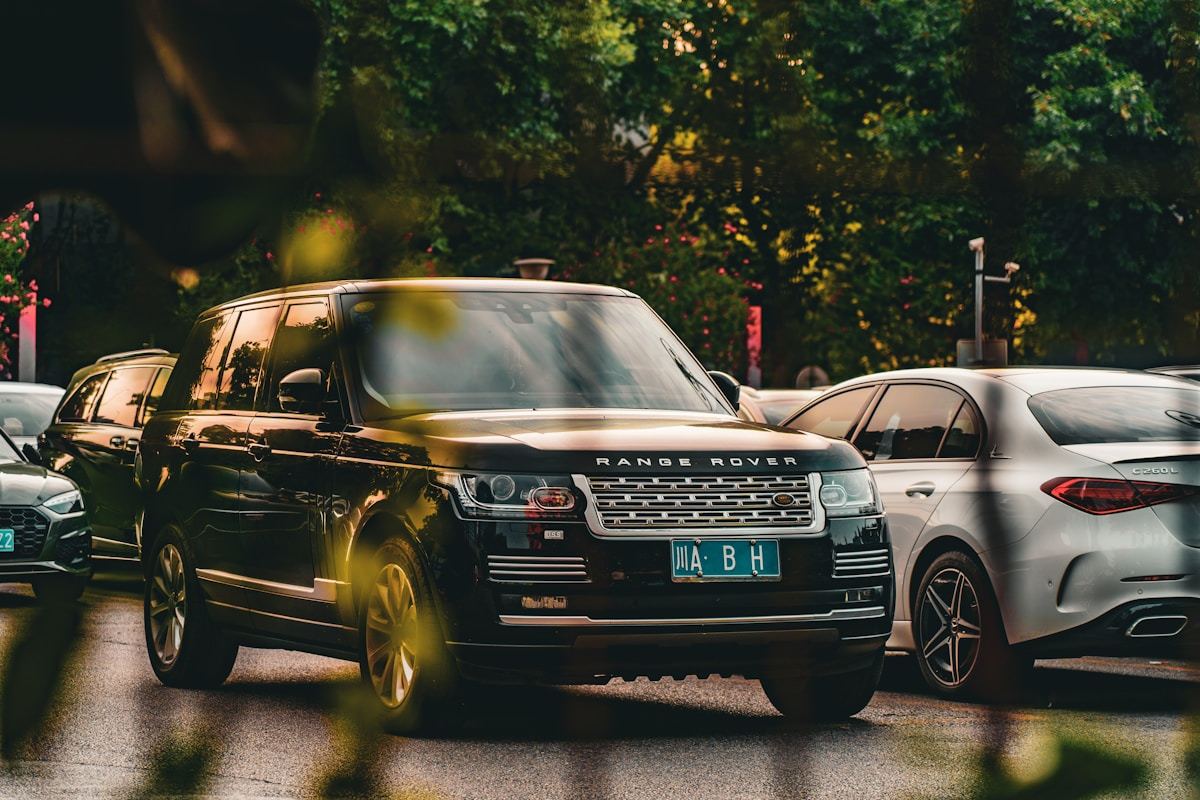
How to Import Used Cars from China: Complete 2026 Guide
To import used cars from China in 2026, you need five things: a licensed export supplier, a vehicle sourcing plan matched to your market, a verified export procedure with inspection and title documents, a shipping solution (RoRo or container), and a customs clearance strategy in your destination country. The complete process typically takes 25 to 45 days from order to delivery, and total landed costs for a mid-range used sedan usually fall between USD 8,000 and USD 25,000 depending on model, age, and destination. This guide walks through every step so importers, dealers, and fleet buyers can avoid the costly mistakes that are common in the first transaction.

Why Importing Used Cars from China Makes Sense in 2026
China is now the world's largest exporter of automobiles, and used vehicle exports have grown into a mainstream trade channel. For dealers in Central Asia, the Middle East, Southeast Asia, and Africa, Chinese used cars offer three structural advantages: abundant supply of newer model years (2021-2025), strong value for money compared with domestic alternatives, and a fast-growing ecosystem of licensed export suppliers who handle inspection, documentation, and shipping in one place.
Chinese new energy vehicles (NEVs) have also become a major export category, with brands such as BYD, Changan, Geely, Zeekr, and Hongqi building strong resale recognition abroad. Whether you plan to sell fuel vehicles or electric vehicles, the sourcing pool in China is deeper and more diverse than almost any other market.

Step 1: Choose a Licensed Export Supplier
The single most important decision is selecting the right supplier. Always work with a company that holds a formal used-car export license, maintains its own vehicle yard or partner network, and provides verifiable documentation. A professional supplier acts as your sourcing agent, inspector, logistics coordinator, and documentation desk in one.
When evaluating suppliers, ask for these six things:
- A company registration and export license that you can verify
- Real vehicle inventory with photos, mileage, and year of manufacture
- Third-party inspection reports or the option to arrange independent inspection
- Clear pricing that separates vehicle price, port fees, inspection, and shipping
- Export documentation templates (commercial invoice, bill of lading, export certificate)
- References or export records to markets similar to yours
A reliable partner like Yitongda Used Cars (hnucar.com) publishes its inventory online, so buyers can browse specific models, compare conditions, and request quotations before committing.
Step 2: Understand What You Can Import
Not every car sold in China is suitable for your market. Three factors determine whether a vehicle is importable and profitable: emission and age rules in the destination country, left-hand versus right-hand drive requirements, and demand patterns for specific brands and body types in your region.
For example, markets in Central Asia and the Middle East accept left-hand-drive vehicles with relatively flexible age limits, which makes Chinese 2021-2025 model-year used cars highly attractive. Some destinations impose strict emission standards, which means newer vehicles or electric vehicles are the better choice. Always verify your local import regulations before placing an order, or ask your supplier to advise on vehicles that match your market's rules.
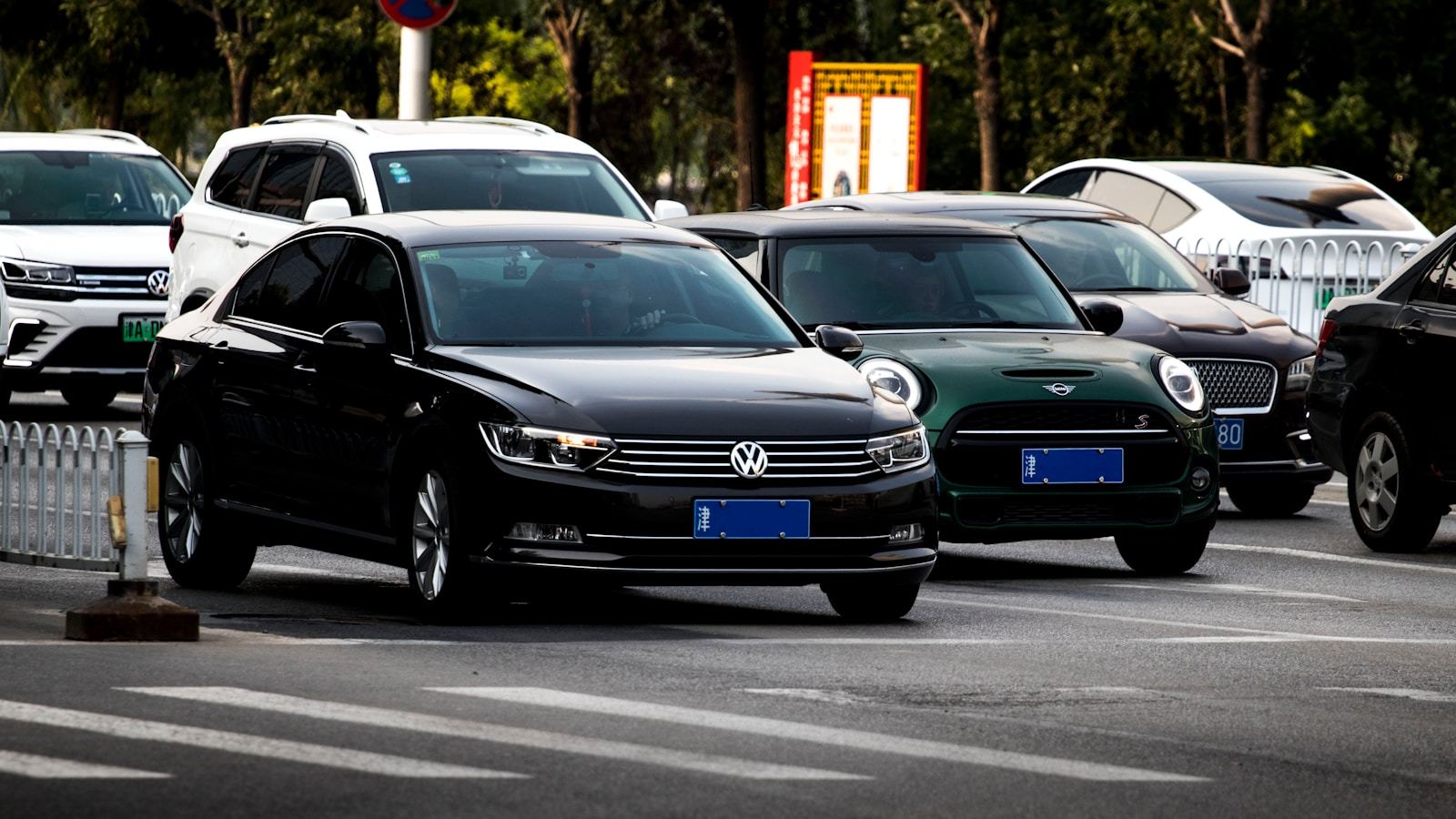
Pro Tip: Match the Vehicle to the Market
In our export experience, the fastest-selling categories are fuel-efficient sedans, compact SUVs, and new energy passenger vehicles. For markets with high fuel prices or strong environmental incentives, used electric vehicles with verified battery health command the best margins. Talk to your supplier about what is selling in your region before you decide.
Step 3: Verify Condition, History, and Price
Vehicle condition determines your resale margin, so verification is non-negotiable. Ask for the following before you pay: detailed photos of the interior, exterior, engine bay, and odometer; the vehicle's actual mileage; year of manufacture; and any available maintenance or accident history. For used electric vehicles, request the battery health report, because battery condition is the single biggest factor in resale value.
Price should be evaluated as total landed cost, not just the vehicle price. Add export fees, inspection, port handling, shipping, insurance, destination taxes, and customs duties to get the real number. A vehicle quoted at USD 12,000 at the yard may cost USD 17,000 to USD 19,000 landed in your country. Use a structured comparison across suppliers so that price, condition, and service are evaluated together.

Step 4: Arrange Shipping and Documentation
Most used cars leave China by RoRo (roll-on/roll-off) vessel or in containers. RoRo is the preferred choice for vehicles that can be driven, offering faster handling and lower per-unit cost. Containers suit luxury vehicles, EVs that require special handling, or shipments where cargo consolidation matters. Transit time to the Middle East is typically 15 to 25 days, to Central Asia by rail or road around 10 to 20 days, and to Africa or Southeast Asia 20 to 40 days depending on the route.
The export documentation package usually includes the commercial invoice, packing list, bill of lading, certificate of export, and the vehicle's title documents. Your supplier should provide the full set and support you through customs clearance at destination. Ask for a shipping schedule that fits your cash flow, and keep at least two weeks of buffer in your plan for port congestion or customs delays.
Step 5: Budget for the Total Cost
Building a realistic budget is what separates profitable importers from those who lose money on the first deal. Use this checklist when planning a shipment:
- Vehicle price at the export yard
- Export license and port handling fees
- Third-party inspection or battery health report
- Ocean or rail freight, insurance, and local trucking
- Destination customs duty, VAT, and registration fees
- Marketing, showroom, or resale preparation costs
As a benchmark, used sedans from China typically land in Central Asia in the USD 8,000 to USD 16,000 range, compact SUVs around USD 12,000 to USD 22,000, and used new energy vehicles between USD 10,000 and USD 25,000 depending on model and battery condition. Margins depend on your market, but a well-chosen vehicle with correct documentation usually supports a healthy resale spread.
Step 6: Clear Customs and Register the Vehicle
When the vehicle arrives, customs clearance begins. Provide your customs broker with the full documentation set, confirm the declared value matches the commercial invoice, and be ready to pay duties and taxes before release. Some countries require additional emissions testing or safety inspection for imported used cars; budget both time and money for these steps.
After clearance, register the vehicle under local rules, and if you plan to resell, prepare the vehicle for your market: service checks, cleaning, and any region-specific accessories. Buyers who complete this step quickly and professionally build a reputation that drives repeat orders.

Frequently Asked Questions
How long does it take to import a used car from China?
The end-to-end process typically takes 25 to 45 days: 3 to 7 days for sourcing and purchase, 5 to 10 days for inspection and export preparation, and 15 to 30 days for shipping and customs clearance, depending on the destination.
How much does it cost to ship a used car from China?
Shipping costs depend on route and method. RoRo to the Middle East usually ranges from USD 1,000 to USD 2,500 per vehicle, while container shipment to Africa or Southeast Asia can range from USD 1,500 to USD 3,500 depending on volume and port.
Can I import used electric vehicles from China?
Yes. Used EVs from China are increasingly popular in markets with EV incentives. Verify the battery health report, confirm local charging compatibility, and check your country's EV import rules before ordering.
Do I need an import license to buy used cars from China?
You need a valid import procedure in your own country, and your Chinese supplier must hold a licensed used-car export qualification. Most importers work with a licensed export company that manages the Chinese-side documentation.
Is it safe to buy used cars from China without visiting?
Yes, if you use a reputable supplier with published inventory, verifiable export records, third-party inspection options, and transparent pricing. Ask for documents, check references, and start with a small test order before scaling up.
Start Your Import Plan Today
Importing used cars from China is a structured, repeatable process. Choose a licensed supplier, match vehicles to your market, verify condition and total cost, and manage documentation carefully. For a practical starting point, browse the current inventory at Yitongda Used Cars, review models that suit your market, and request a quotation that includes vehicle price, inspection, and shipping.